
Film Room
The Film Room is a collection of written tactical studies. It does not contain footage from a released game or analysis of real athletes. Each entry follows one question that a captain-led sports concept would need to answer through readable play: what changed in the defense, what a teammate’s movement means or when a fallback becomes the sensible choice.
Begin with the relationship
The defense note considers evidence before a prompt. The off-ball article asks why movement away from possession matters. The perspective study examines what a captain can reasonably know from the floor. The final-possession note connects preparation to a limited decision window. Their diagrams simplify those relationships without claiming measured results from a finished system.
Dates describe the writing
Entries are grouped by their publication dates. These dates do not announce a game-release schedule or prove that a described feature is implemented. A later change in the concept should be explained as a revision, with the unresolved question still visible to the reader.
Carry the note back to a complete play
Read Second Read for ongoing adaptation and Last Possession for the tighter final-window scenario. The Playbook compares them. Useful feedback identifies a moment in the proposed interaction, so the explanation can be improved without substituting a generic promise of realism.
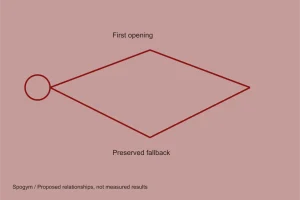
The final possession needs a fallback
A Last Possession design note about rehearsed finishes, defensive disruption and preserving a believable fallback when the first planned opening disappears.
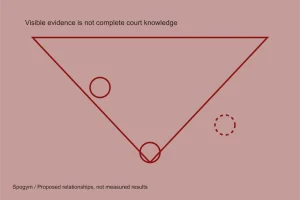
A captain view is not an overhead answer
Consider the camera choices behind Spogym’s captain perspective: visible evidence, off-screen uncertainty and replay explanations that respect player knowledge.
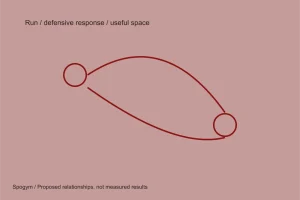
Off-ball movement needs a purpose
Explore how purposeful off-ball runs could create shared decisions in Second Read, with spacing, defensive reactions and readable reasons for a reset.
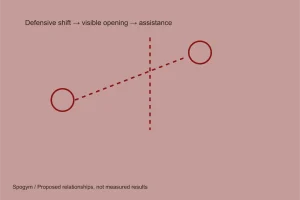
Read the defense before the prompt
A Second Read design note on defensive cues, passing windows and why a captain should recognise the changing situation before an instruction appears.